
15 Facts Everyone Should Know About Dog Training
Disclosure: Our recommendations are based on our testing, research and analysis. We may earn a commission on products purchased using links on this page.
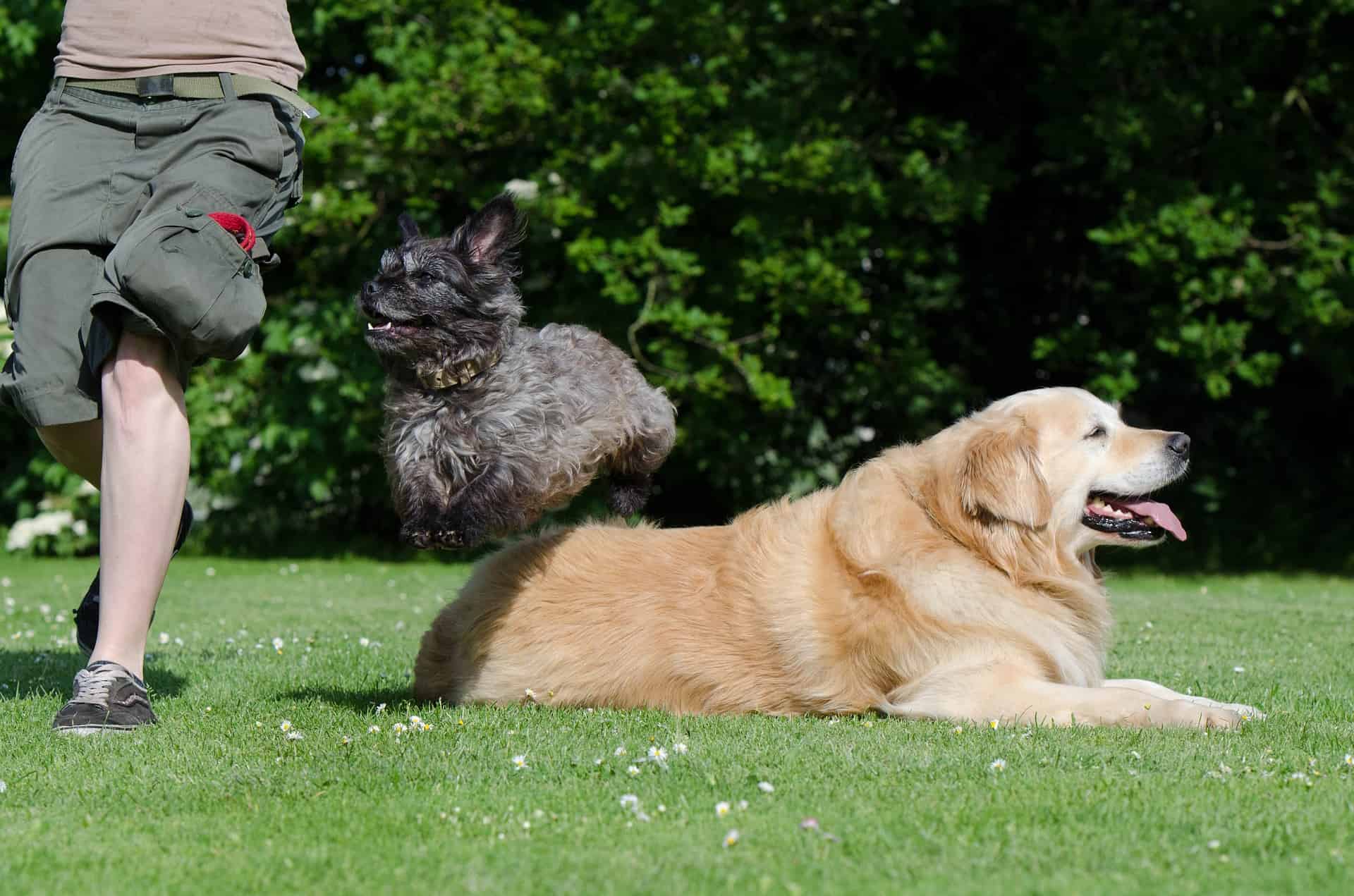

Table of Contents
Dog training isn’t a trick, it’s a way of life

continued…
Your dog is always watching and learning. Make sure you are always enforcing and rewarding good behavior, while simultaneously discouraging unwanted behaviors. The behaviors you want will become a way of life for your dog and you will appreciate their reliability.
-
Set your dog up for success, not failure
- Don’t take your dog to Disney World if he cannot behave in the library. In other words, don’t put your dog into situations in which he is not ready for and make sure you are not biting off more than you can chew.
-
Even dogs have days off
- Watch for your dog’s overall health. If he is ill, has an injury, or is tired give him a break. Even dogs should get a “weekend”.
-
Stay calm and remain patient
- Your dog will respond best if you remain calm and patient. Training can be frustrating, so take your time. If you feel yourself getting frustrated, slow things down, and put your dog in a position in which he can learn. If needed breath slowly and count to 20. If that doesn’t work, end on a good note and come back when you are in a better state of mind.
-
Always remain confident and positive
- Your dog can sense your emotions. If you are discouraged and frustrated he will know, and as a result he will not respond as well as he could.
-
End your training sessions on a high note
- If your dog is doing great, end the session on a high note. Let your dog thing about all of the successes he just had.
*for more dog training tips, see 15 Facts Everyone Should Know About Dog Training Part 3
Table of Contents
Be fair and firm, but always have fun when dog training
By Laura Pakis, Certified Professional Dog Trainer and Blogger,
continued…
If you and your dog are not having fun then you may not be doing something right. Training should be taken seriously, but it should also be upbeat and energetic. Your dog will learn much faster if things are kept fun. You want your dog to be excited to train…and you should be, too!
-
Spend time with your dog
- Spending time with your dog can help build his confidence, and feel comfortable with you. If you can gain your dogs trust and respect you will find that training will go much easier.
-
Training is exercise
- Training does not have to be boring. Incorporate fun activities into the training, or even play games while giving your dog commands. Training also stimulates your dog mentally, which can often be more exhausting than a physical workout.
-
Short and successful sessions are more effective than long, tiring ones
- Keeping your sessions shorter can help your dog retain more information. Also, pushing your dog too hard for too long can cause mental fatigue, which can affect how well he responds to you. Usually about 15 minute sessions 2-3 times per day is plenty.
-
Never correct out of frustration or anger
- If you have to correct, always be fair. Correcting out of frustration and anger can be considered as a form of abuse. It is easy to fly off of the handle and accidently injure a dog. Never train if you are upset or angry. Do not hold grudges with your dog. After you correct him, show him what you want, and then praise him. Your dog should be happy to be training with you, not afraid or intimidated.
-
It is perfectly acceptable to go back to the basics
- As we progress and our dogs are behaving well, we have the tendency to become slack with them. Dogs can read this from you and will manipulate you if given the chance. Don’t be afraid to go back to the basics to show your dog he still has to follow the rules.


