Disclosure: Our recommendations are based on our testing, research and analysis. We may earn a commission on products purchased using links on this page.
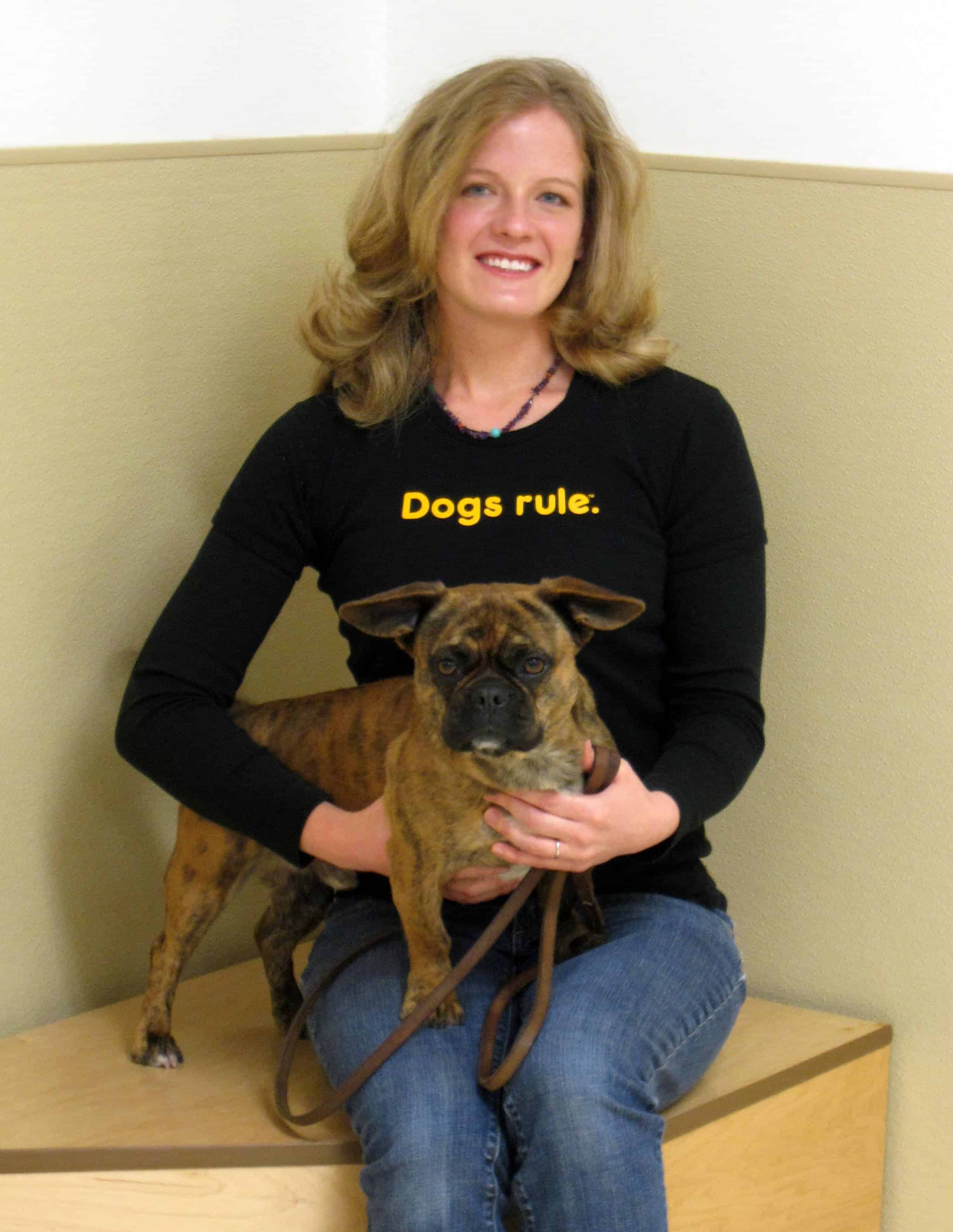
By Laura Pakis, Certified Professional Dog Trainer and Blogger,
There are many reasons for a dog owner to seek out doggy daycare. Long work hours, special events, high energy levels and even socialization. But what should you look for in a daycare setting?
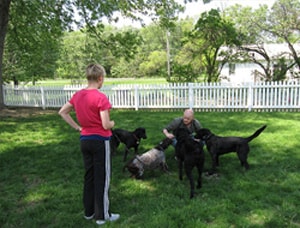
Daycare facilities usually fall into two groups; those that have the dogs out in a play area the entire time and those that use kennels a portion of the time. Which one you bring your dog to depends more on your dog’s personality and temperament than the kennel facility.
How do you know what plan the facility offers?
Ask the facility to explain what a typical daycare playgroup experience would be for your dog.
Does the dog ever use a kennel? If it does, for how long? Usually the minimum rest time is at least 2 hours a day
How long is the playtime? How many playtimes in a typical day? This will give you the best answer for what plan is being used.
How many dogs are typically in a playgroup? Do they limit the playgroup by size or by personality? How many staff members are interacting with the playgroup at one time? The suggested ratio for safety is 1 person to no more than 10-15 dogs
Which daycare is better? One that has planned playtime groups or one that has playtime the entire day.
A lot depends on your dog. If your dog is shy, laid back, or prefers humans over dogs consider a daycare facility that limits the amount of interaction with other dogs. A controlled environment will help improve this type of dog’s behavior while providing the necessities during your absence.
More active dogs and very canine social dogs would be more suited for the all-day play groups.
No matter what you choose, there is an adjustment period for the dog so be sure to give the facility a few visits before deciding if it’s not right for your dog.
Read more about daycare and potty breaks in Part 2 of our daycare series.
A good source for daycare operations standards is provided by the Dog Gurus
Table of Contents
Treat your dog to a fun and active day at doggy daycare
bring home a happy and pooped pooch!
… it’s a fun way to give your pup exercise, mental stimulation and socialization with both dogs and people.
By Laura Pakis, Certified Professional Dog Trainer and Blogger
Daycare facilities usually provide the basics your dog will need; two or three times out for potty breaks and some exercise. Many of them house large numbers of dogs and, hence, are unable to give a great deal of individual attention. There are no rules on how to run a dog daycare so it is important to research the daycare to find which is best suited for your dog especially if they are just learning to be house-trained.
Where do dogs eliminate at doggie daycare?
Don’t assume, ask specific questions.
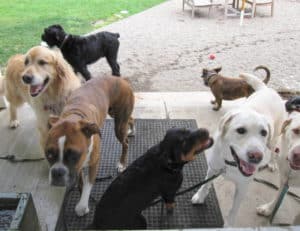
Some daycare facilities have designated bathroom locations for the dogs in their care; a yard space by the parking lot or a patio located in the back of the building. The dog is taken out on a leash every 2 to 3 hours to these designated locations and encouraged from eliminating in their daycare playroom.
TIP: If you have trained your dog only to eliminate on grass, there may be an adjustment period for the dog to feel comfortable eliminating outdoors on cement. This isn’t bad but you can help this situation by teaching your dog to eliminate in the street, on gravel and other surfaces so should the need arrive, they will understand these are acceptable areas to relieve themselves.
Other facilities don’t have this option and designate an indoor room outside the play area for the dogs to eliminate. Some allow the dogs to eliminate in the play area and the staff cleans up afterwards. By immediately removing any waste and cleaning the area thoroughly with an enzymatic cleaner designed to counteract the pheromones in the waste, it minimizes the potential for a collapse in your dog’s house-training manners. Something to think about if you are bringing a young dog who has just learned the pattern of house-training to daycare.
Whether the facility discusses this or not, the musty lingering odor of past feces and urine deposits is an indication that perhaps the facility isn’t the high-quality well-run facility you want for your dog. In this case the nose knows you haven’t found the right daycare.
A good source for daycare operations standards is provided by the Dog Gurus
Next in the series: Dog Safety
safe·ty ˈsāftē/
noun.
1. the condition of being protected from or unlikely to cause danger, risk, or injury.
By Laura Pakis, Certified Professional Dog Trainer and Blogger
It is my belief that no daycare wants your dog to be harmed. That being said accidents do happen and when they do, those involved are more devastated than the dog’s own owner. I can tell you this first hand since I owned a boarding, daycare and training facility. I’m not writing about this topic to give anyone nightmares. I believe dog owners must be informed consumers. We are our dogs’ best advocates and protectors and I feel a tremendous responsibility as someone who ran a daycare where a freakish accident happened.
My goal is not to bad mouth daycares, but rather to educate dogs owners to know what to look for, to ask the right questions and understand the risks involved in having a pack of dogs together.
In the dog world there is a fine line between having fun and getting in trouble. Just watch dogs play. They run and chase, they roll and tumble and they use their mouths constantly. Excitement can swiftly turn to arousal and attack. Suddenly there are several dogs on one dog as the pack instinct kicks in quickly when the dogs hear a yelp or cry from another dog. In other cases it is predatory aggression or dominance over a situation or item of value. Sounds terrible, but this is what occurs when dogs from all walks of life are interacting together. And even with safety measures, accidents can still occur.
What can be done to protect the safety of your dog
Evaluating Dogs prior to acceptance for play
• The facility should have a formal acceptance policy in place with defined behaviors required from dogs that participate and be able to share this information with you. This can include all dogs attending daycare must have had some sort of training or behavioral traits and/or personality. Dogs that have been trained have more self-control than dogs that have not. They understand there are rules and will learn the “rules” of the daycare facility much easier and quicker than untrained dogs. In addition, most trained dogs have respect for people and will respond when someone gives them a command or tells them to stop a behavior.
Not all dogs should attend daycare. Rather than regurgitate the specifics, Patricia McConnell has a great article and resources to help you decide if you dog truly should attend doggie daycare.
• Dogs should be evaluated individually for appropriateness to group play (e.g., means body language provides evidence participation is enjoyed and not just tolerated) This should be done either through a test daycare or with a temperament test and before your dog spends an entire day at the daycare facility.
Medical requirements
The facility should require proof of vaccinations, so they have the records of the shots and records of each dog’s veterinarian. And they need have policies in place to keep these up to date.
Policy for handling problems
Dogs have been injured at daycare. You need the ask questions: Do they have proper supervision and staff on the floor at all times, are the dogs left unattended? How well is the staff educated? Do they have security measures like double gates to outside entrances, no electric cords in play areas and safe, non-skid surfaces in the play areas? Do they have emergency procedures in place and what are they?
The daycare facility needs to have thought through situations and possibilities and have policies in place which they can share with you prior to leaving your dog in their care.
It is important to know the minimum training each staff member who is handling your dog. Listed below are some of the Dog Gurus Daycare Operations Standards
• First aid training for canines
• Canine Body Language Training
• Group play education – (i.e., how to effectively manage dogs using positive reinforcement methods: obedience cues, splitting or redirecting, time outs)
• Training in defensive handling
• Training in dog bite prevention
• Customer Service Training
• Formal process for new hires to progress through training
• Continuing education requirements for all staff
• Training in predatory aggression
My hope is by knowing what to look for in a doggie daycare and knowing what to ask in choosing a safe daycare for your dog, you may save your dog’s life. That’s worth learning about.
Next in this series: Evaluating Daycare facilities
Disclosure: Our recommendations are based on our testing, research and analysis. We may earn a commission on products purchased using links on this page. safe·ty ˈsāftē/ noun. 1. the condition of being protected from or unlikely to cause danger, risk, or injury. By Laura Pakis, Certified Professional Dog Trainer and Blogger It is my belief that…
Disclosure: Our recommendations are based on our testing, research and analysis. We may earn a commission on products purchased using links on this page. By Laura Pakis, Certified Professional Dog Trainer and Blogger Times occur in your busy life when you need to leave your dog in a kennel for a period of time. As…
A temperament test is only as good as the person who is administering the test. Learn what is needed to successfully determine if a dog is a good “fit”.
Disclosure: Our recommendations are based on our testing, research and analysis. We may earn a commission on products purchased using links on this page. Treat your dog to a fun and active day at doggy daycare bring home a happy and pooped pooch! … it’s a fun way to give your pup exercise, mental stimulation and socialization with…
Disclosure: Our recommendations are based on our testing, research and analysis. We may earn a commission on products purchased using links on this page. By Laura Pakis, Certified Professional Dog Trainer, and Joshua Spiert – Editor, Acme Canine Some dog owners assume that incessant barking, missed meals, diarrhea, and kennel cough are just a normal…
Disclosure: Our recommendations are based on our testing, research and analysis. We may earn a commission on products purchased using links on this page. By Laura Pakis, Certified Professional Dog Trainer and Blogger, excerpt from the Catch N Fetch website* “Catch-n-Fetch is a day time care facility specifically designed for your dog to run and…