Disclosure: Our recommendations are based on our testing, research and analysis. We may earn a commission on products purchased using links on this page.
The Netherlands is claiming that they have absolutely zero stray dogs now
by Laura Pakis, Certified Professional Dog Trainer and Blogger,
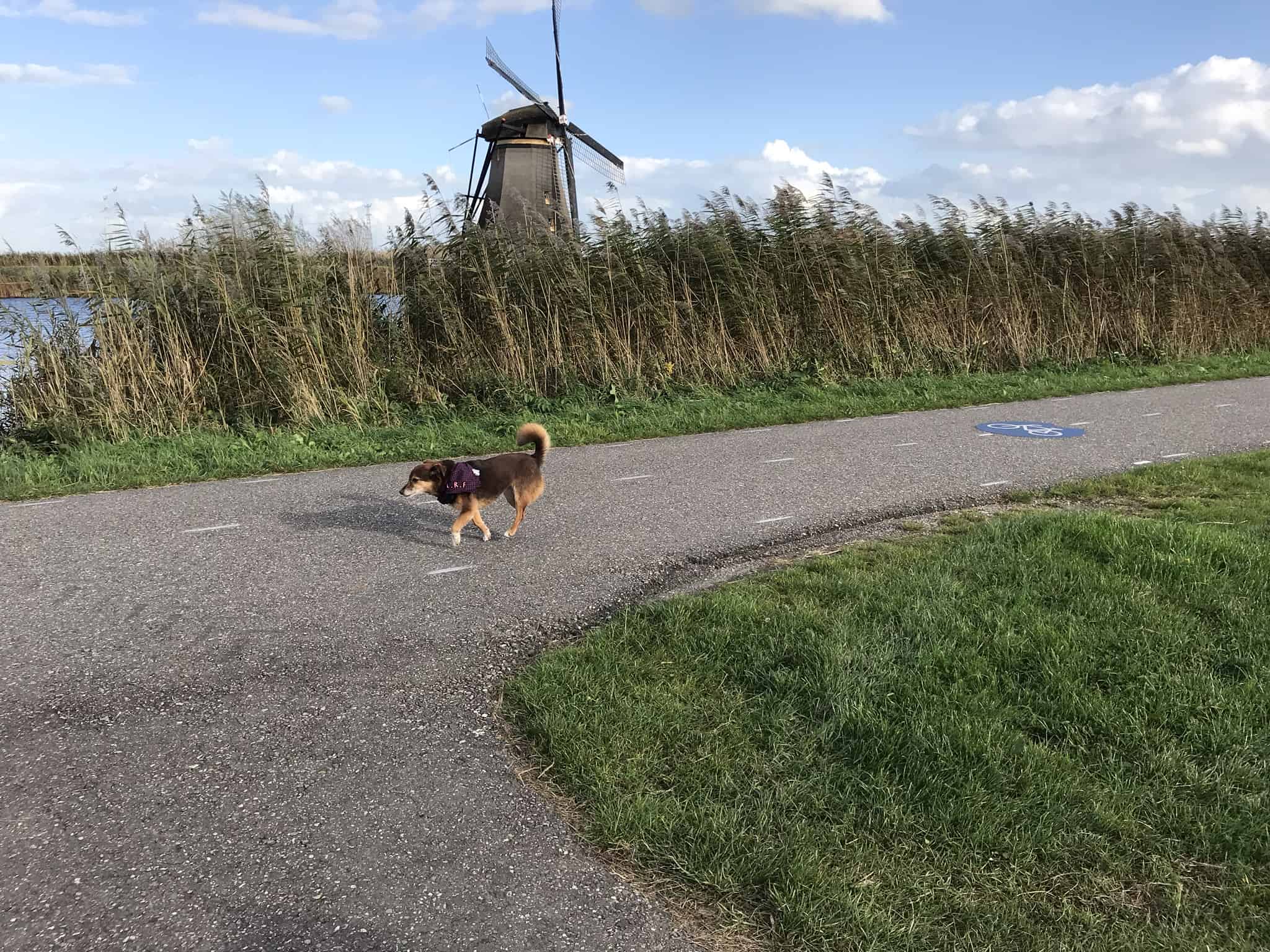
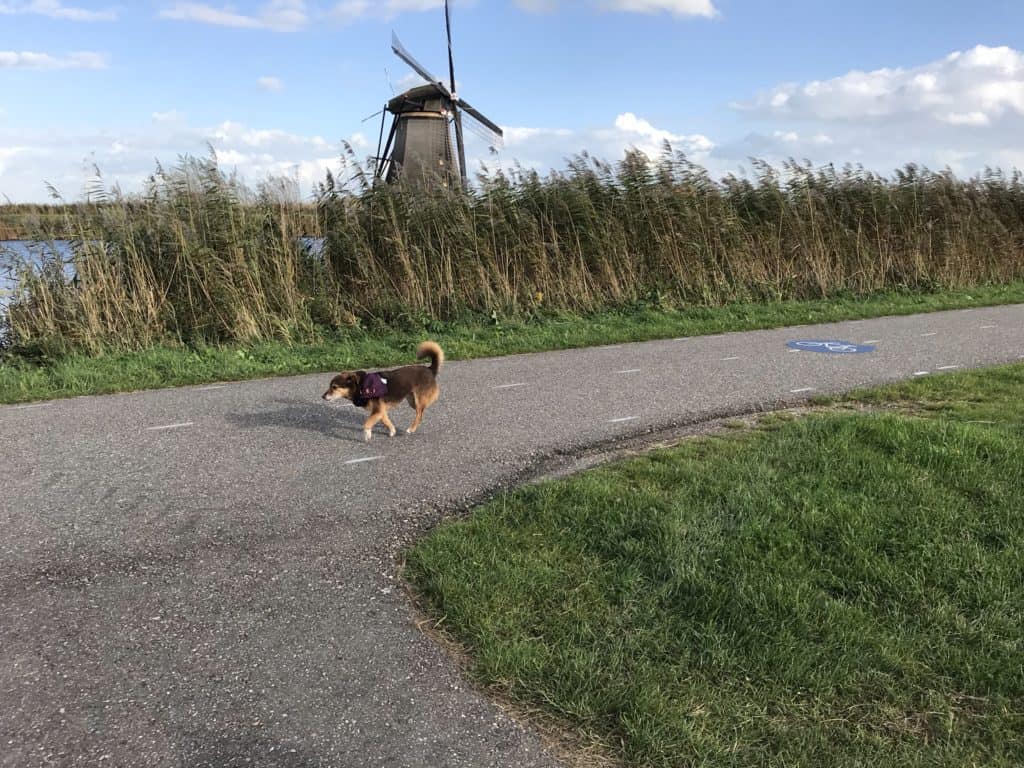
When you think of The Netherlands, normally what comes to mind are windmills, canals and tulips. But this European country is also known throughout the world for its liberal thinking and progressive attitude toward animal welfare. And it’s all thanks to good legislation, making spaying and neutering services free for its citizens, and some other really smart outside of the box thinking.
One of the more controversial laws that has been enacted by the Dutch pertains to a high tax being placed on buying a puppy instead of adopting an available dog from a shelter. Obviously, this is an attempt to get more people to adopt one of the many dogs that are already in need of a home waiting at a shelter.
“Home to 17 million residents, it’s estimated that one in five homes have at least one dog. Although breeds such as the Labrador Retriever, German Shepherd and Golden Retriever have been the most popular pedigree dogs in recent years, their decline in popularity in favour of mixed breed dogs has become apparent with cross-breed dogs now outnumbering pedigrees in Dutch homes”, writes Donna Jannsen.
The Netherlands requires registration for breeders and re-homes strays using the internet
The Netherlands requires registration for breeders. To get this license they need to receive a certification education. This applies to all breeders, even those who have been breeding for years already.
You also won’t see many stray dogs on the streets in the Netherlands. They are captured quickly by the local animal welfare and put in one of the approximately 200 shelters for stray dogs and cats. Using the internet more than half of the 70,000 lost and found animals are reunited. And it’s all thanks to good legislation, making spaying and neutering services free for its citizens, and some other really smart outside of the box thinking.
Dogs must be vaccinated, micro-chipped and registered and owners are required to have personal insurance
Dogs must be vaccinated against diseases and all dogs should be micro-chipped and registered. Owners are also required to have personal insurance which covers their dog since the owner of the pet is responsible for any damages, according to law, no matter who was right or wrong.
The Dutch love to have their dogs with them
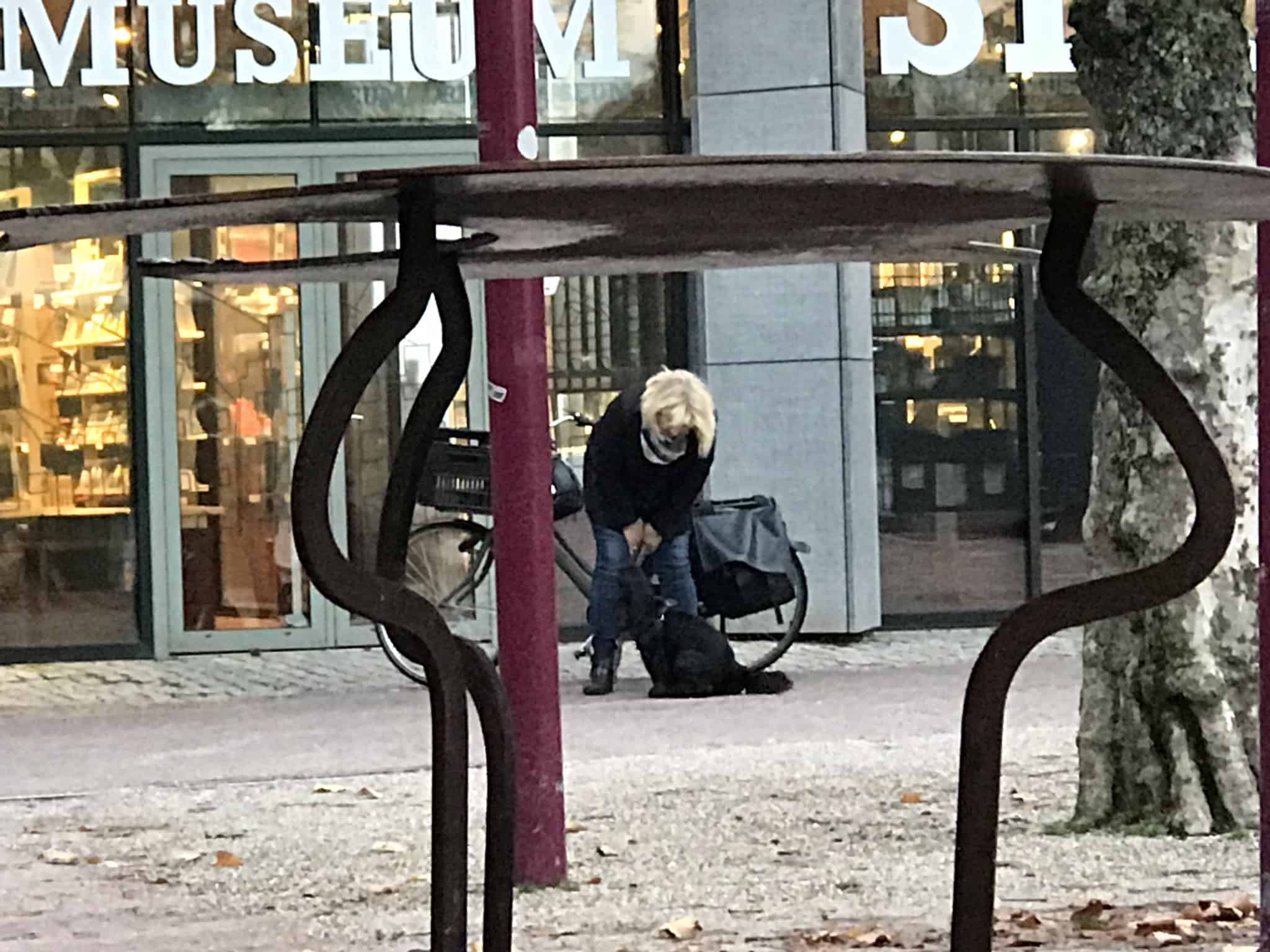
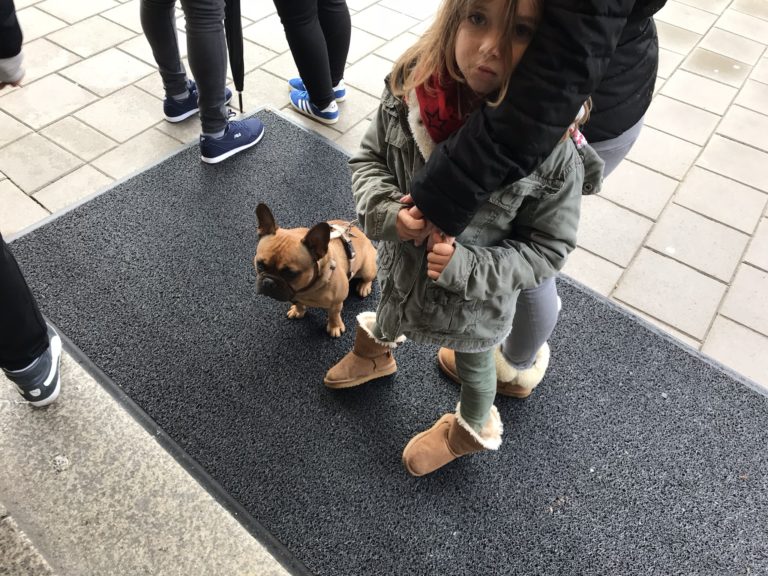
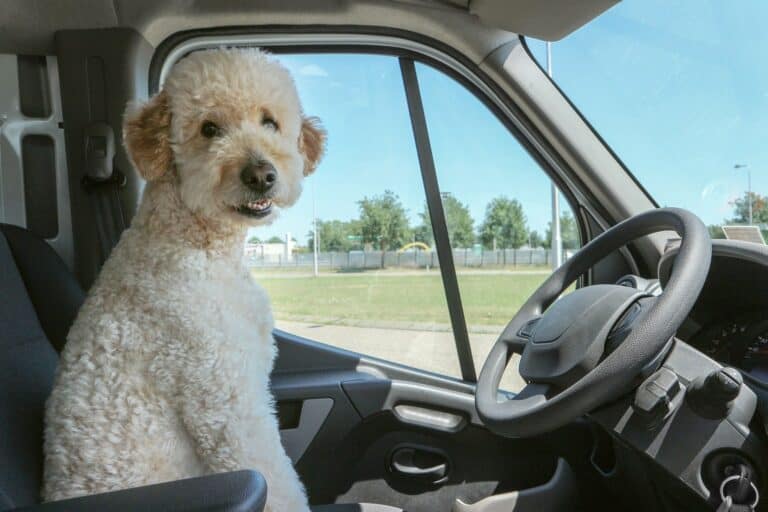
The Dutch want to be involved with their dogs and can be seen biking and running with their dogs. Most restaurants allow you to take your dog as well as on the bus, train or metro. Taxi drivers can decide for themselves whether they want to take your pet.
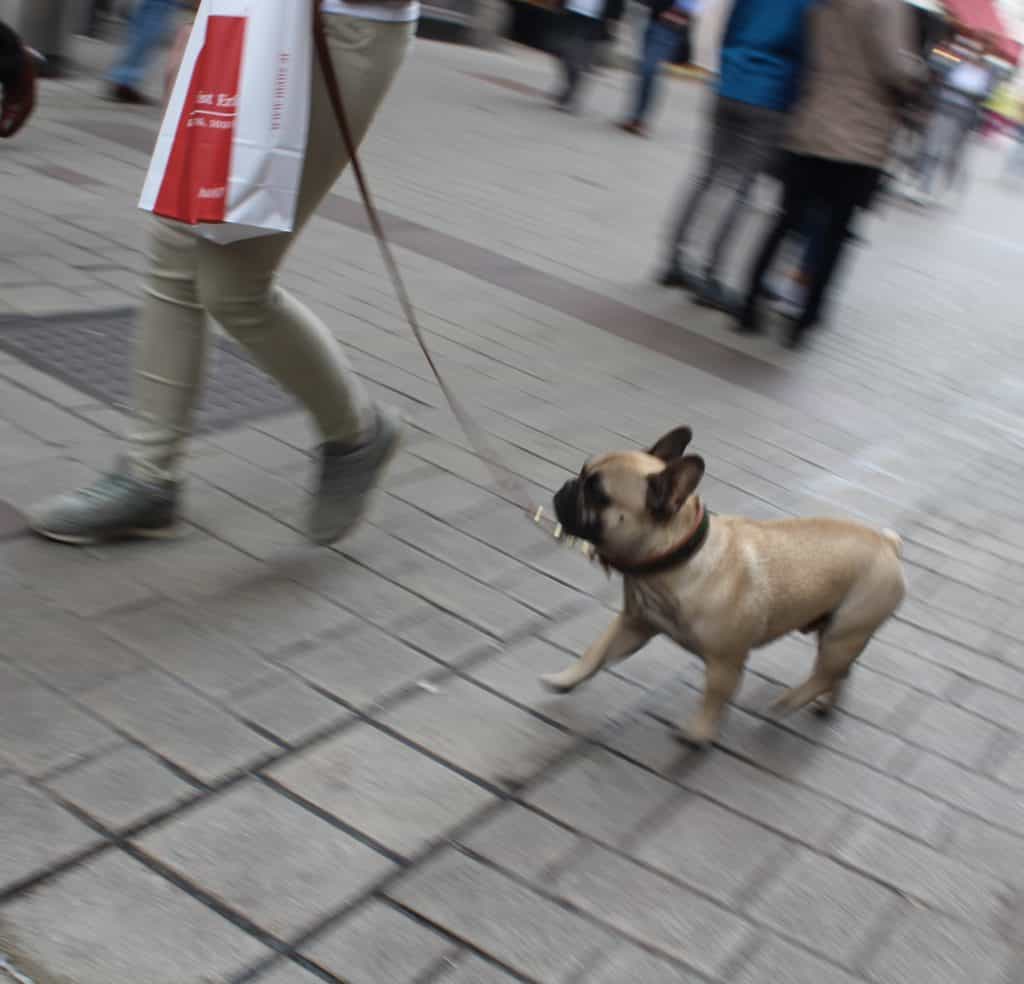
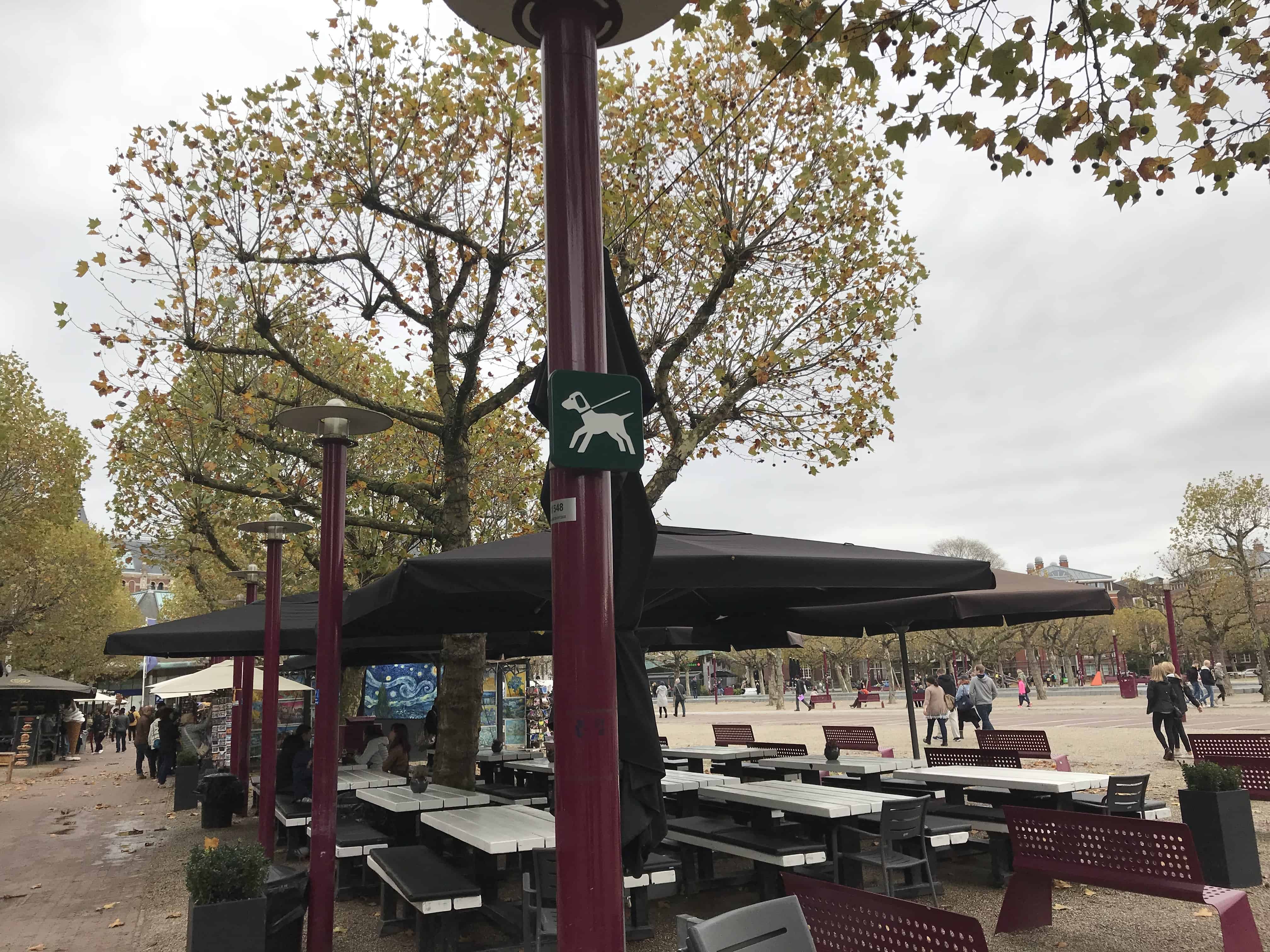
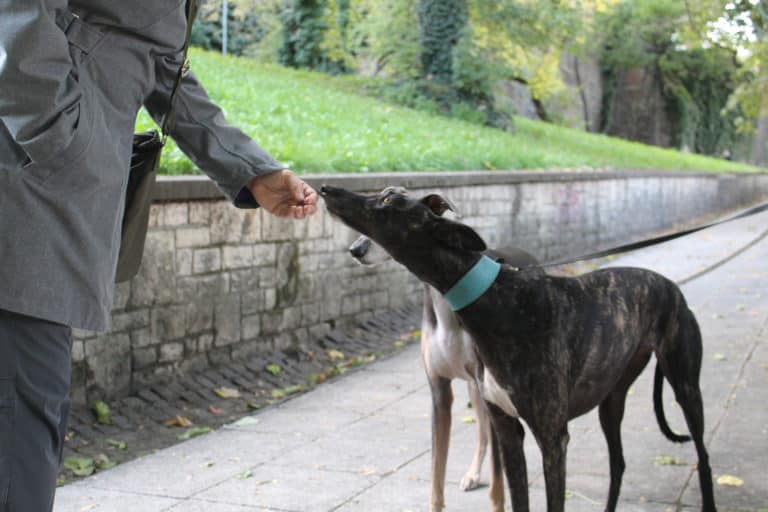
In the Netherlands dogs must be walked on leads in most places, including towns. They have designated areas where you can walk your dog leashed, unleashed and where dogs are not allowed. This includes cities, forests, beaches and fields. The government cleans these dog areas with special dog poop cleaners. All owners are obliged to take a poop bag with them on their walks and they must clean up dog poop.
Many people use professional dog walking services or daycare services as well as dog boarding facility. In addition the Dutch can choose from many different veterinarians, specialized clinics for pets, behavior specialists and training centers, physical therapists for animals, alternative medicine specialists such as homeopaths. In our dog training schools, we can take puppy classes as well as agility and fun lessons.
By Laura Pakis, Certified Professional Dog Trainer and Blogger,
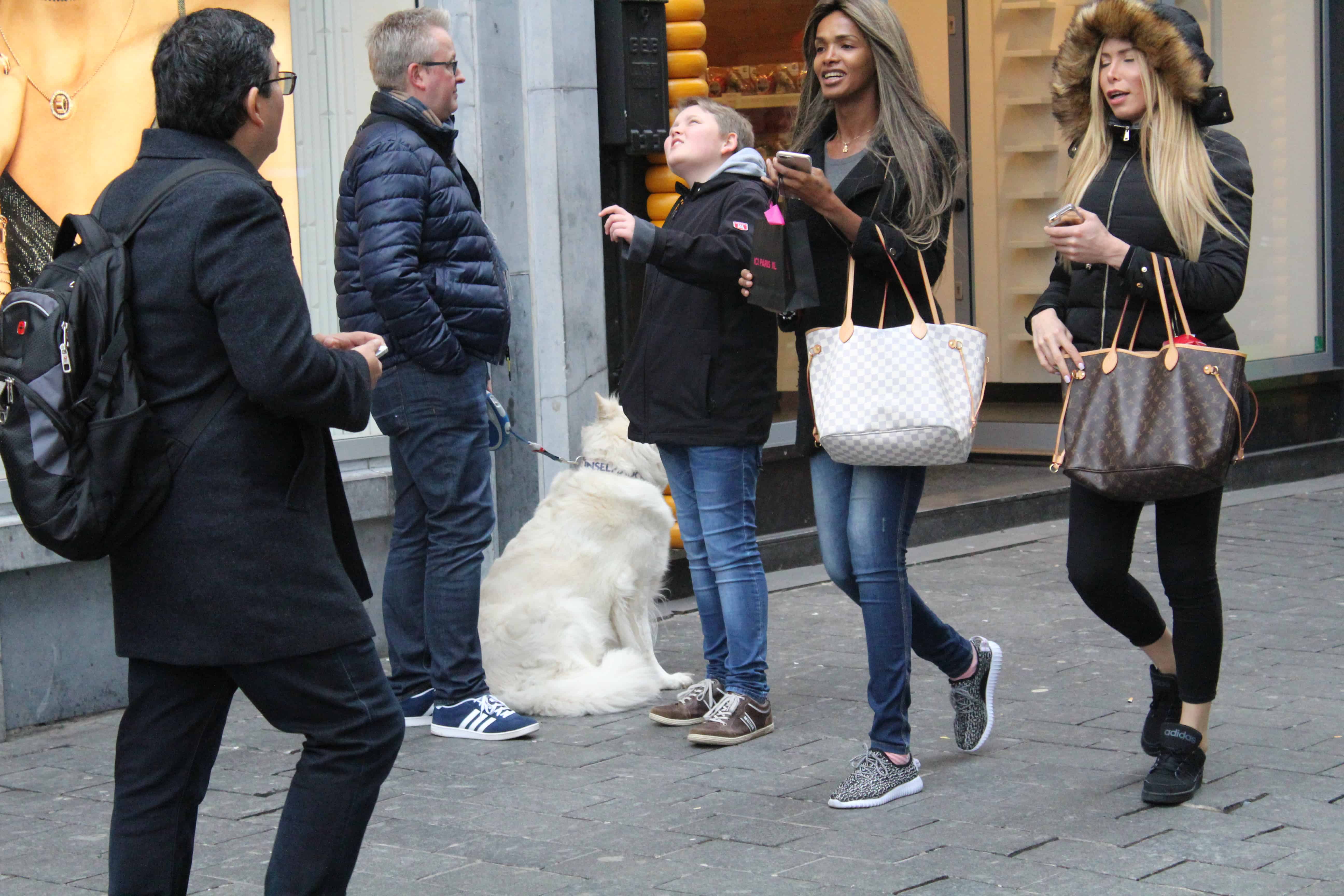
When traveling to the Netherlands you will notice that many Dutch families have pets, especially cats and dogs, and they are well-cared for and loved. Compared to the UK and the USA, these dogs are more often accepted in public areas than not.
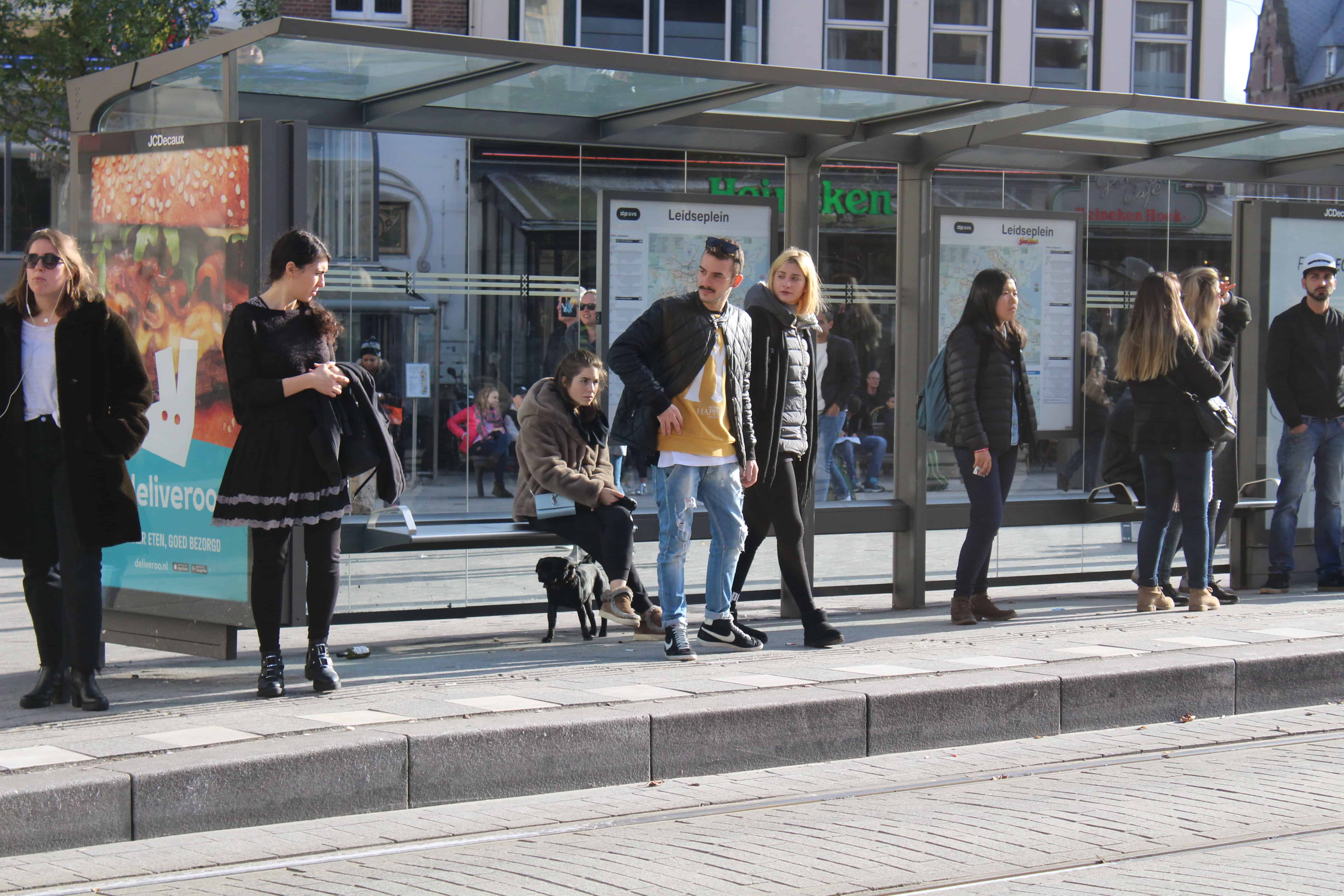
Dogs are allowed on almost all types of transportation.
Small dogs can travel for free on trains if they can be carried in a bag. Bigger dogs are charged a 3 euro dog day ticket fee. Most of the time dogs can sit on train seats if they are available as long as the seat is covered before the dog gets on. There are some restrictions. The dog has to be on a short leash and not be a hindrance to other travelers (in other words, you may be denied access if you have a big dog, or told to exit the bus if he starts barking a lot) or with trams if he takes in the spot for a seat, you are expected to buy a ticket for him. Sitting under the seat is more appreciated though.
Mid-range hotels usually cater to dogs, however hostels and more expensive hotels don’t tend to allow them (like in most major cities exceptions can be found).
Dog-walking services (hondenuitlaatservice) are very popular in the Netherlands. Dogs are often taken to walk in parks where they can run and play without a leash. These parks are clearly marked and are fenced in. The parks all have signs telling you what your dog is allowed to do there and quite often they will have ‘dogs free to run’ fields. They are open only to well trained dogs that come back to you when called and are not dog or people aggressive. Dogs are also allowed on the beach except during the summer months and some beaches may allow animals on a leash early in the morning or in the late evening. The specific dates that dogs are allowed on the beach and other rules are usually on a sign in the entrances.
Although Amsterdam is dog-friendly, it is a closely built city with few green areas. Regardless where you relieve your dog, you must always clean up after it. You can use a paper bag, a plastic bag or a special ‘pooper scooper’ available at pet shops, veterinarians and municipal offices. There are fines for those who do not do so.
It is up to the restaurant owner whether a dog can come in the restaurant.
You will notice ‘no dogs allowed’ stickers on shops where raw meats and/or fish are sold since they are required by law not to allow dogs. Restaurants do not have this restriction. It is up to the owners of the restaurant on whether to restrict dogs or allow them. By default, if you don’t see a ‘no dog’ sticker, your dog will be allowed at restaurants, unless the restaurant is busy and then you can expect a no. Almost always dogs are allowed on the terrace or outdoor eating area.
Buying dog food is easy.
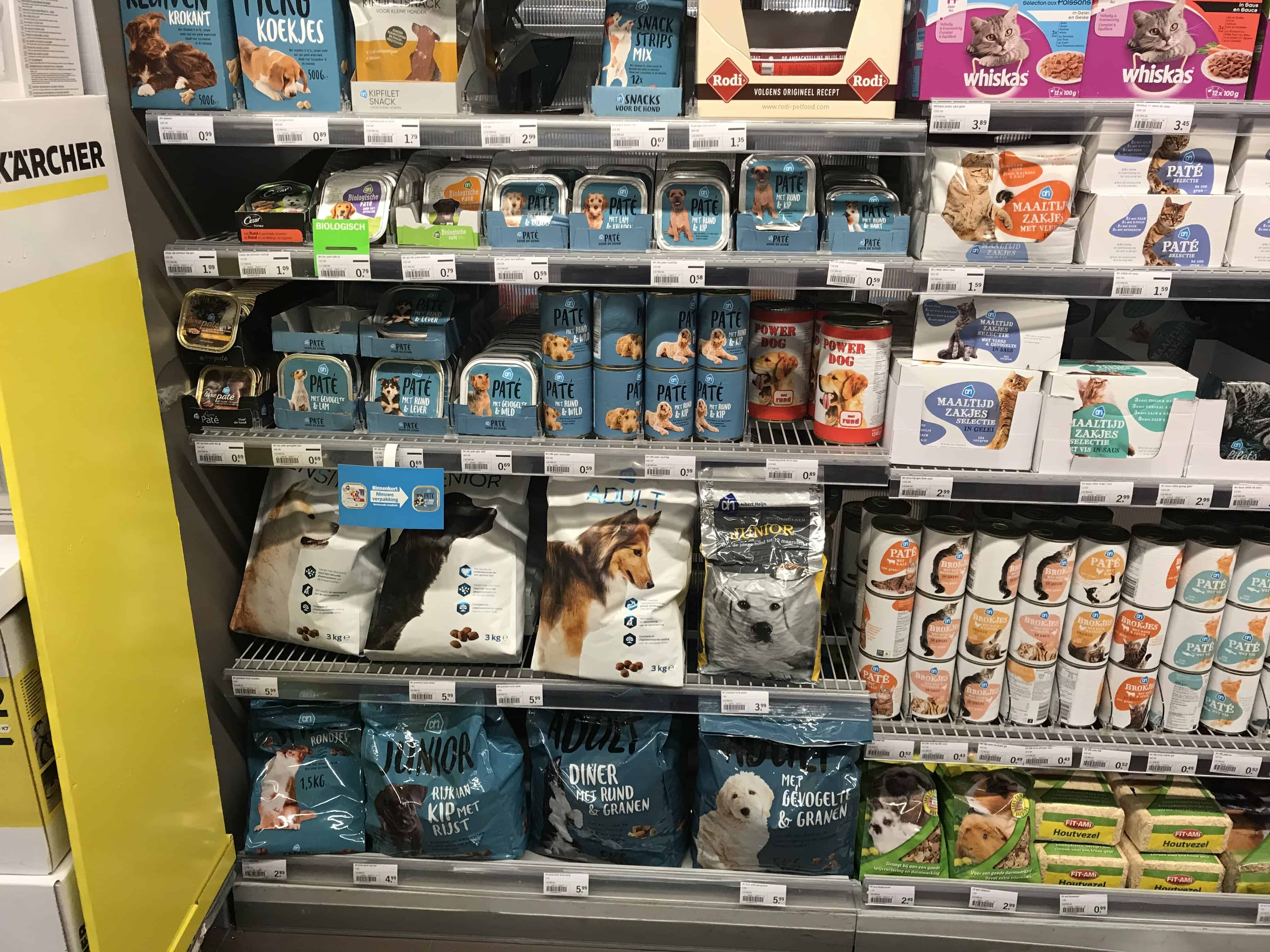
Dog food and treats can be bought at every supermarket and also at specialized animal stores and most garden centers where you can also find beds, toys, games, baskets and other accessories.
There is a Dog tax for owning dogs
If you intend to keep one or more dogs in Amsterdam the Netherlands charge an annual dog tax (hondenbelasting), and the price is determined by the number of dogs in the household. Dogs must also be registered with the local town hall (gemeente) and the Dutch Tax Administration (Belastingdienst) upon arrival, which you can arrange by letter or in person. No other animals, such as cats, require registration of tax.
Finding a veterinarian is also an essential part of being a pet owner and there are many good veterinarians and animal hospitals in the Netherlands. You can ask neighbors or friends for a recommendation, or look up ‘dierenarts’(veterinarian)/ ‘dierenartspraktijk’ (veterinarian practice) in the Yellow Pages, Google or local phone book. Or you can contact ACCESS Helpdesk for a vet .
Disclosure: Our recommendations are based on our testing, research and analysis. We may earn a commission on products purchased using links on this page. If you want to know how to say dog in Hungarian, it’s kutya. If you want to understand how Hungarians feel about their native dog breeds, know that many are considered…
Disclosure: Our recommendations are based on our testing, research and analysis. We may earn a commission on products purchased using links on this page. By Laura Pakis, Certified Professional Dog Trainer and Blogger, When traveling to the Netherlands you will notice that many Dutch families have pets, especially cats and dogs, and they are well-cared…
The limitations surrounding traveling with a dog as a result of the COVID-19 pandemic have been a nightmare for individuals. For pet-owners, it’s created more complexity in a process that was already challenging.
Disclosure: Our recommendations are based on our testing, research and analysis. We may earn a commission on products purchased using links on this page. You see it on tv. You hear your friends are doing it. Your company now allows it, but is your dog ready to go to work with you? The checklist created…