Disclosure: Our recommendations are based on our testing, research and analysis. We may earn a commission on products purchased using links on this page.
Table of Contents
Hungarian dog breeds include : flock guards and herding dog breeds, pointers, scenthounds and sighthounds, and some smaller breeds
By Laura Pakis, Certified Professional Dog Trainer and Blogger,
MUDI
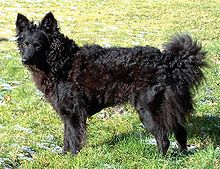
The Mudi, pronounced “Moody”, is a medium-sized dog with a low maintenance coat similar to a Chesapeake Bay Retrievers’ although longer. A versatile farm dog, the Mudi can hunt, exterminate rodents, and act as a herding dog and flock guardian.
The Mudi was first discovered as a breed in 1936 by Dr. Dezso Fenyes of Hungary. Its origin, though, goes as far back as the 15th and 18th centuries.
Mudis nearly disappeared during World War II. This dog is a still rare breed, with less than a few thousand currently in existence.
PUMI
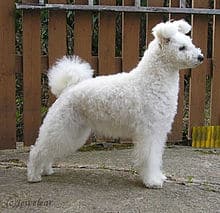
The Pumi is a medium-small terrier-type breed of sheep dog that is energetic, lively and ready to work. “This lively, adorable dog makes a wonderful companion for a family willing to provide lots of exercise and mental activity,” said AKC Vice President Gina DiNardo. Know for their “whimsical expression”, the Pumi combines the intelligence of the herding dog along with the alertness of a terrier.
This dog can be traced to the Tibetan herding dogs originating from China and Tibet. They were widespread among various tribes in the region.
The Pumi was used to herd cattle, sheep, goats and swine. Livestock was typically kept in the village at night and driven to pasture for the day. The Pumi could close in and drive livestock to and from pastures, keeping them within the pasture boundaries. It’s tools were barking, quick movement, and an occasional nip. In addition to herding, they guarded the farm and alerted its owners when strange people or animals approached.
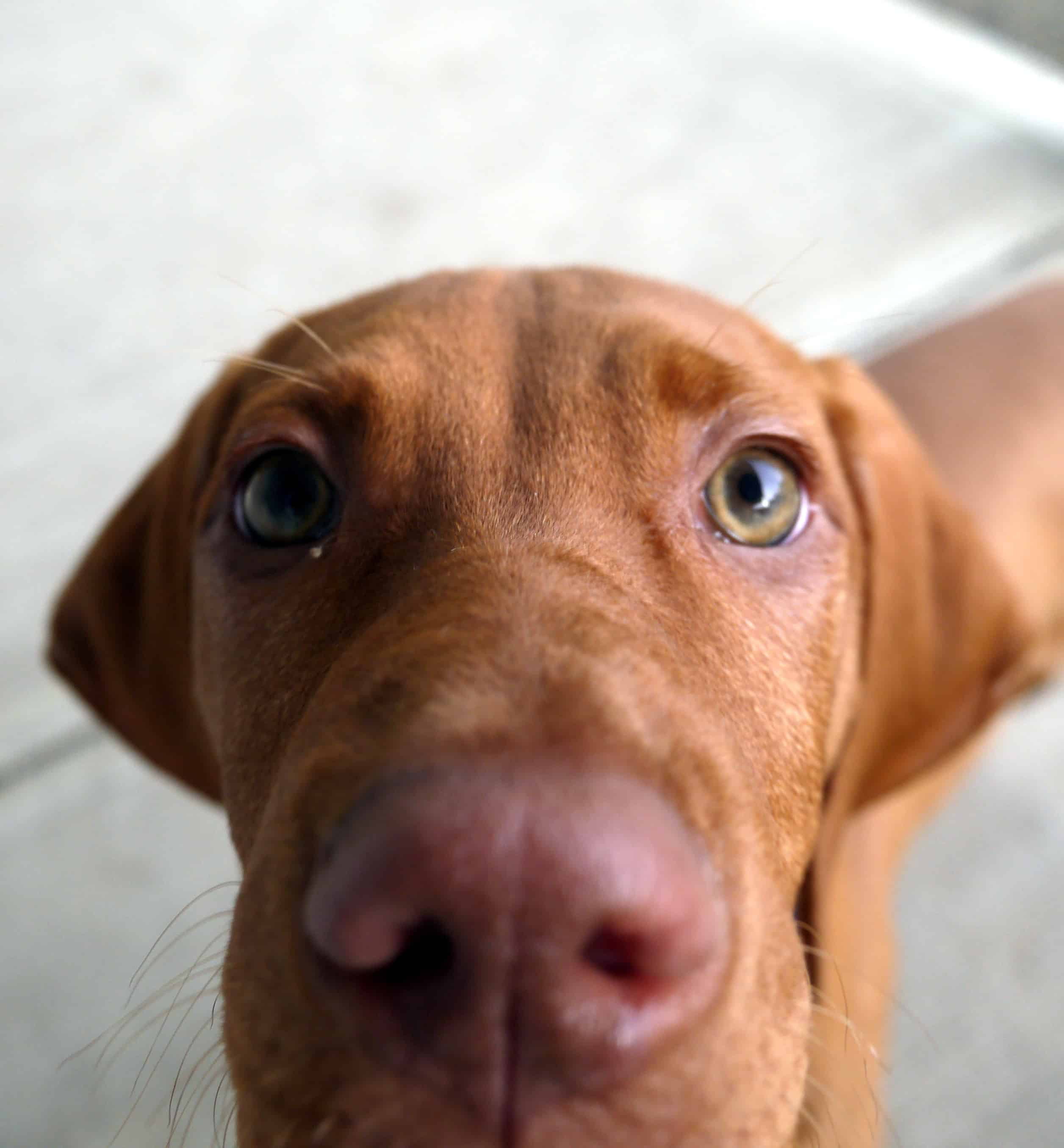
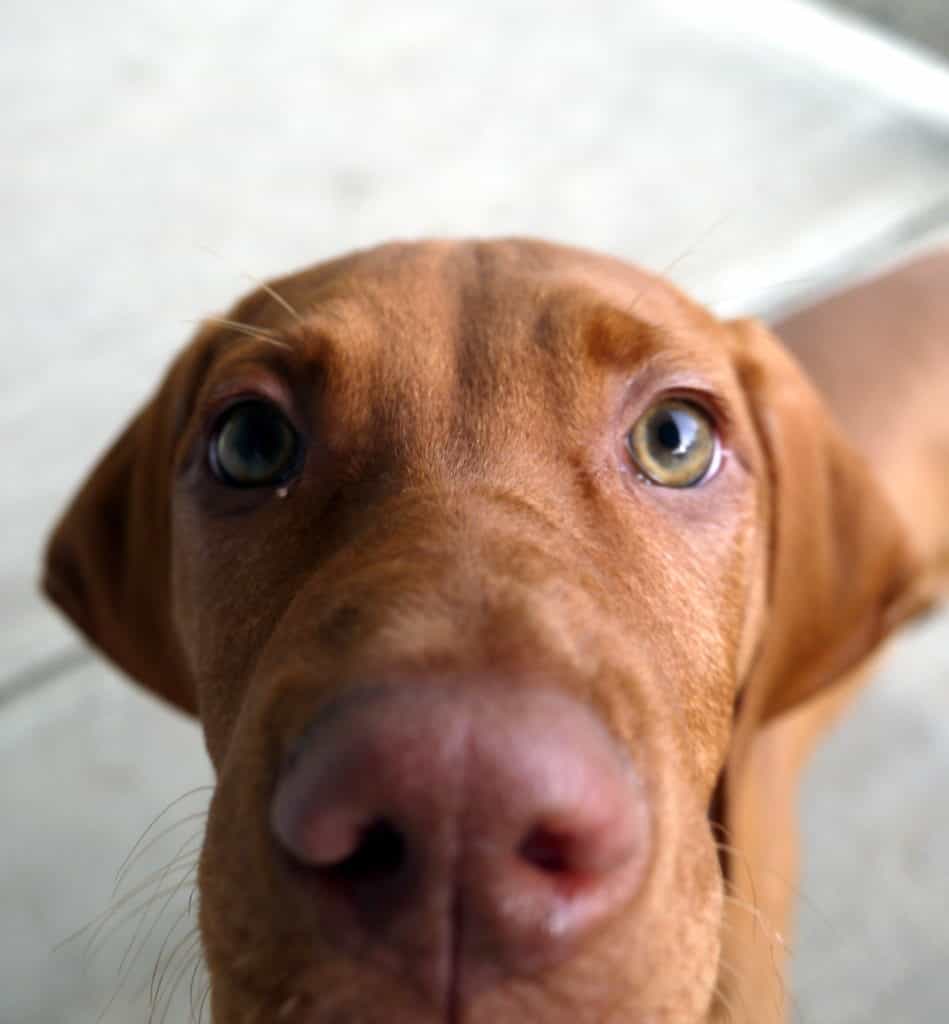
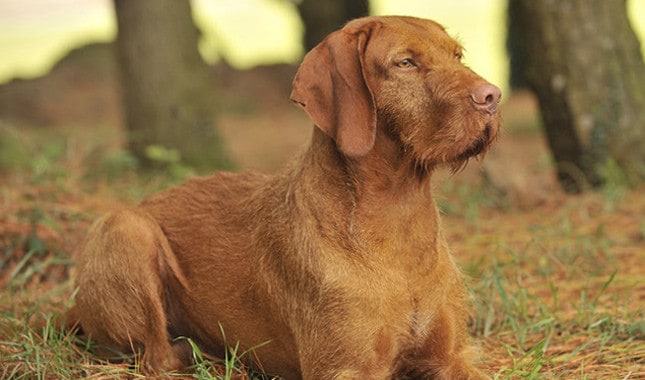
The Vizsla is a medium-sized, short-coated hunting dog that combines the characteristics of both pointer and retriever. This breed is often described as the “Velcro Vizsla” due to being not only affectionate, but especially attached to his people.
The Vizsla is one of the oldest hunting dogs of the world. Stone etchings over a thousand years old show the Magyar hunter with his falcon and his Vizsla. The first written reference to Vizsla dog breed has been recorded in the Illustrated Vienna Chronicle prepared on order of King Louis the Great in 1357.
Vizsla were held in high esteem by the aristocracy who guarded their blood lines and continued to develop the hunting ability of these “yellow-pointers”. Over the years the Vizslas faced several near-extinctions until only a few remained. From that minimum stock, the breed rose to prominence once again.
See part 1 for other Hungarian dog breeds.
If you want to know how to say dog in Hungarian, it’s kutya. If you want to understand how Hungarians feel about their native dog breeds, know that many are considered national symbols in Hungary.
By Laura Pakis, Certified Professional Dog Trainer and Blogger,
Hungarian dog breeds include pointers, scent and sight hounds as well as flock guards and herding dogs. Many are recognized by the American Kennel Club, but American breeders may be difficult to find. Here are some of the more unique breeds from Hungary.
Erdélyi Kopó (Transylvanian hound)
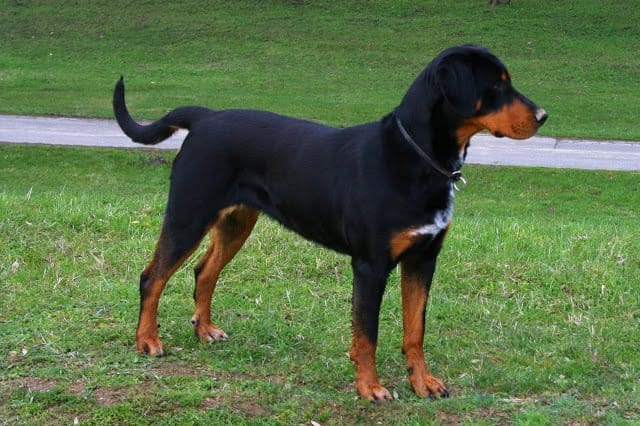
The Transylvanian Hound is a good natured , friendly smooth-coated, red-and-tan or tri-colored (black, tan and white) scenthound. They are very loyal and well mannered with both people and dogs.
The ancestors of the Transylvanian Hound came with the invading Hungarian tribes in the ninth century, who brought in hounds and crossed them with local varieties and with Celtic and Polish hounds. Two varieties developed to hunt different game in different types of terrain. The long-legged variety was used for hunting woodland and grassland big game and the short-legged variety was used for hunting game in overgrown or rocky terrain.
From it’s peak in popularity during the Middle Ages the breed declined until the beginning of the twentieth century when this type of dog was nearly extinct. In 1968, efforts began to save it.Today, a substantial number of the long-legged variety of Transylvanian House are found in both Hungary and neighboring Romania.
Magyar Agár (Hungarian Greyhound)
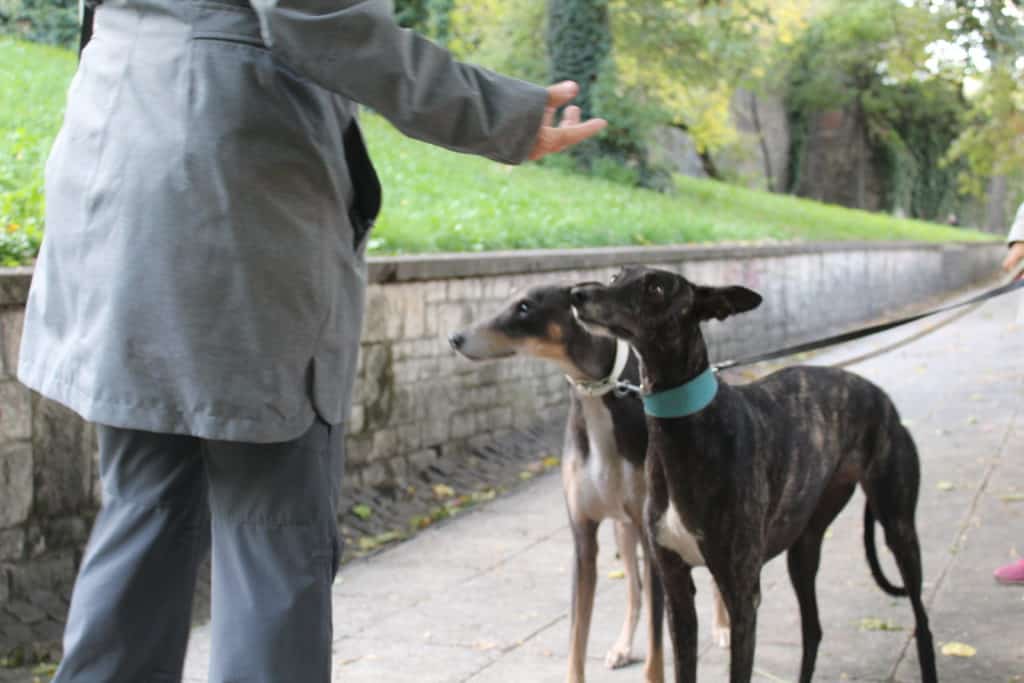
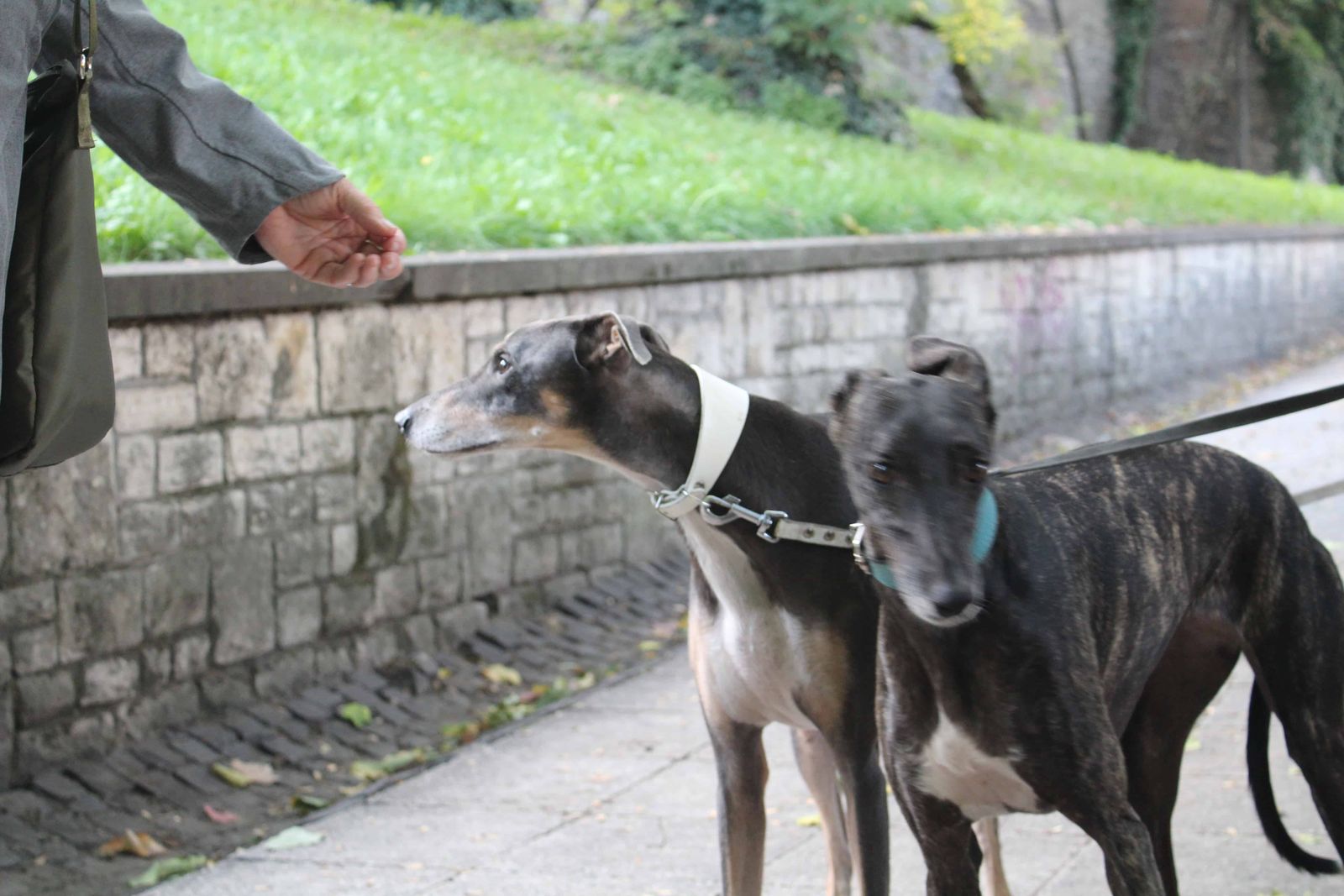
The Hungarian Greyhound is a sensible, intelligent and faithful sighthound. The conformation of the Magyar agár has remained the same from the Medieval to the Modern day. Although reserved by nature, they make excellent companions and watchdogs if socialized early.
The Magyar Agár was bred for long distance racing (dispatching rabbit or deer shot by horseback riders). Hungarians claim that this greyhound was expected to run along the hunters for distances of 19 miles to 31 miles per day. The earliest archeological evidence for the Magyar agárs has been found in the Carpathian Mountains along the northern and eastern border of Hungary. It is believed that this greyhound first arrived in northeastern Hungary a little over a thousand years ago
Disclosure: Our recommendations are based on our testing, research and analysis. We may earn a commission on products purchased using links on this page. By Laura Pakis, Certified Professional Dog Trainer, and Blogger, Arriving in Germany through Passau we immediately noticed the amazing number of dogs walking with their owners. Some stores had no problem…